

The Root of Emotional Pain
Origins
Childhood Trauma & Early Attachment Wound
We all carry stories that began long before we understood what it meant to feel safe. Often, the challenges we face in adult relationships, our inner anxieties, and our patterns of self-sabotage are rooted in experiences we barely remember — or were told “didn’t matter.”
Childhood trauma is not always dramatic. It can be subtle: moments of neglect, misunderstanding, or emotional unavailability that leave traces on the nervous system, shaping the way we see ourselves and the world. These traces live in our bodies and our subconscious, influencing choices, relationships, and emotional responses well into adulthood.
This page is a guide to understanding where your patterns began, why they persist, and how recognizing the roots of your pain can be the first step toward lasting transformation.

The Hidden Root of Adult Pain
Many adults feel confused by intense emotional reactions or repeated relationship struggles, wondering, “Why do I keep attracting this?” or “Why does this hurt so much?”
The answer often lies in the hidden roots of childhood experiences:
Emotional neglect: When a child’s emotional needs are unmet, they internalize a subtle message: “I am not enough.”
Misattunement: Parents or caregivers who are inconsistent, distracted, or unavailable create nervous system patterns of hyper-vigilance.
Shame imprinting: Even small moments of criticism or ridicule can leave lasting messages in the subconscious mind.
These experiences do not make you weak or broken. They make you human — and they leave patterns that feel invisible but are profoundly influential.
Explore how these early experiences shape repeated patterns in adulthood.

How Childhood Shapes The Nervous System
Your nervous system remembers. Even if your mind thinks, “It’s over. I’m fine now,” your body and subconscious may still be reacting to unresolved experiences from your childhood.
Hypervigilance: Feeling constantly “on edge” or easily startled.
Emotional suppression: Difficulty expressing needs or asserting yourself.
People-pleasing patterns: A deep drive to earn approval or avoid conflict.
Chronic self-doubt: Questioning your decisions, your worth, and your intuition.
These responses are not failures of character — they are survival strategies learned in childhood. Recognizing them is the first step in reshaping how your nervous system interacts with the world.
See how these patterns appear in adult relationships.

The Inner Child Explained
In Jungian psychology, the “inner child” represents the part of us that holds our earliest experiences, vulnerabilities, and emotional imprints. It’s not about sentimentality; it’s about understanding how subconscious memory continues to influence your thoughts, feelings, and behaviors.
Your inner child carries the fear, sadness, and longing from early experiences.
Without acknowledgment, these emotional imprints repeat in adult life as anxiety, shame, or difficulty forming healthy attachments.
Healing the inner child is not about “going back” — it’s about integrating the subconscious story into your present awareness.
Read more: “Healing Your Inner Child: Emotional Neglect in Adulthood”
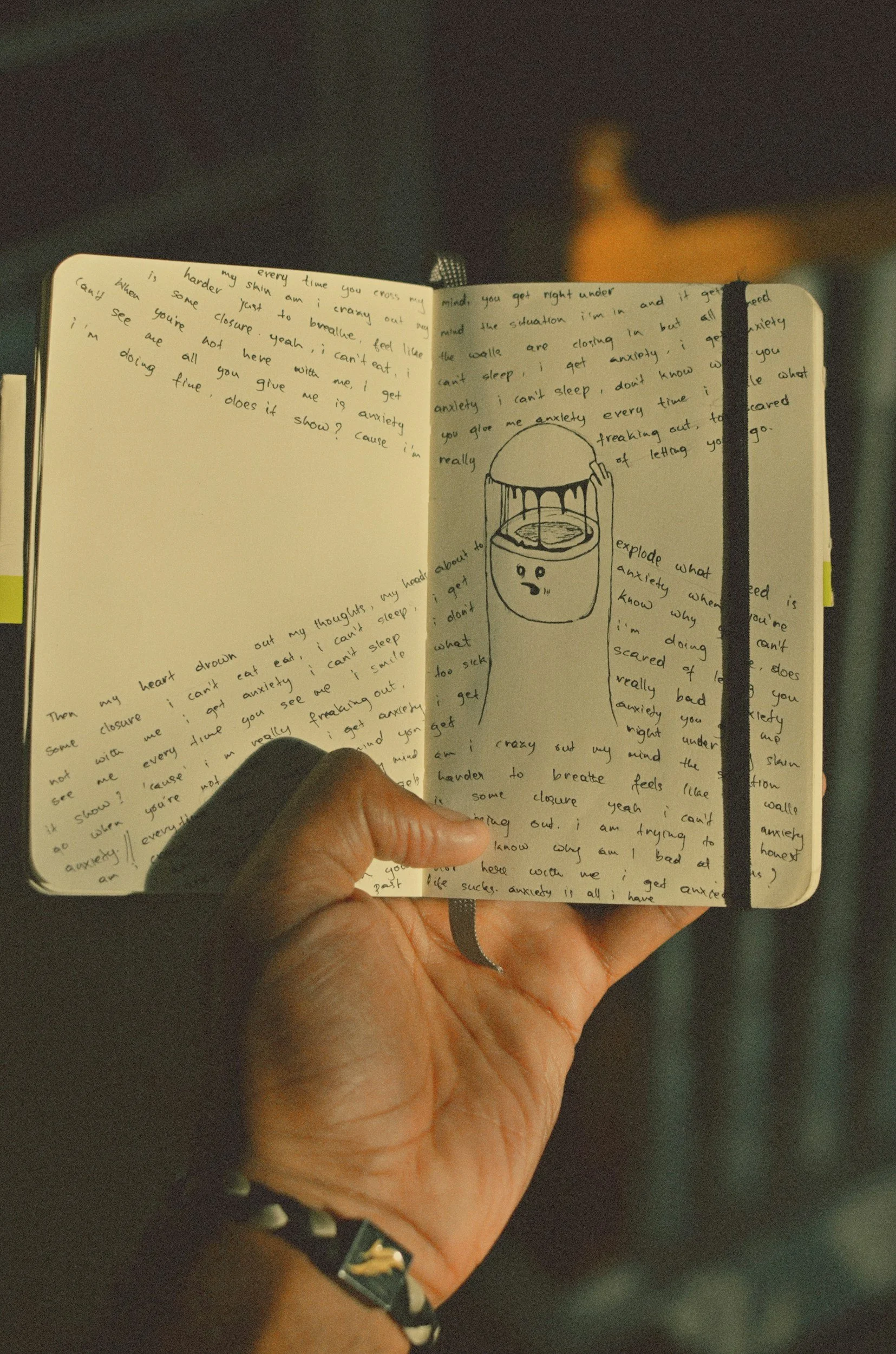
Signs You May Have Unresolved Childhood Trauma
It can be difficult to recognize how early experiences continue to shape your adult life. Some common indicators include:
Feeling unusually anxious in relationships
Difficulty trusting or opening up to others
Repeating self-sabotaging patterns
Strong reactions to perceived criticism or rejection
A sense of emptiness, guilt, or shame that feels hard to shake
Recognizing these signs is not about blaming your caregivers — it’s about understanding the patterns so you can begin to interrupt them.
Blog links / deep dive suggestions:
“Emotional Neglect: How Childhood Shapes Adult Anxiety”
“Understanding Attachment Wounds”

Why Awareness Alone Isn’t Enough
It’s common to think, “Now that I understand my childhood experiences, I can just stop repeating the patterns.”
But trauma is stored somatically and subconsciously. Awareness alone does not dissolve patterns that have been embedded over years.
Cognitive insight helps you understand the “why,” but the nervous system and subconscious need to experience safety and integration.
Emotional regulation, nervous system practices, and subconscious reprogramming are necessary to interrupt these patterns permanently.
This is why methods like hypnotherapy, NLP, and Timeline Therapy® are so powerful — they allow change at a deeper level than thinking or talking alone.

Work With Me
If you feel stuck in repeated patterns, anxious in relationships, or unsure why you can’t fully trust yourself, you are not alone.
Working together, we can:
Explore the roots of your patterns
Heal nervous system and emotional dysregulation
Reframe subconscious beliefs and release trauma
Move toward integration, self-trust, and empowerment